
Precision Medicine in Heart Failure: From Phenotype-Based Classification to Individualized Therapy
Keywords:
Heart Failure; Precision Medicine; Personalized Care; Phenotyping; Patient-Centered Care; Biomarkers; Risk Stratification; Precision CardiologyAbstract
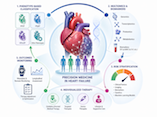
Heart failure (HF) is a complex and heterogeneous clinical syndrome characterized by substantial variation in etiology, pathophysiology, clinical presentation, and treatment response. Traditional management approaches often fail to account for this diversity, highlighting the need for more individualized strategies. Objective was to review and integrate the concepts of precision medicine, personalized care, and phenotyping in heart failure, and to examine their roles in advancing individualized diagnosis, risk stratification, and therapeutic decision-making. A narrative review of the contemporary literature was conducted, focusing on studies, guidelines, and expert perspectives addressing precision medicine, personalized care models, and phenotypic classification in heart failure. Most studies described as personalized HF care employed individualized treatment adjustment based on clinical status, physiological monitoring, treatment tolerance, or patient-specific management plans rather than biological phenotypes or molecular targets. Relatively few investigations fulfilled criteria for precision medicine, and among these, evidence for improved clinical outcomes remained limited. Genomic studies, biomarker-guided strategies, and machine-learning approaches have enhanced disease classification, risk stratification, and understanding of HF heterogeneity, but their translation into effective phenotype-directed therapies has been inconsistent. Furthermore, many phenotyping frameworks identify statistically distinct subgroups without clear therapeutic implications. Personalized care, precision medicine, and phenotyping represent related but distinct paradigms in HF management. Current evidence shows data on phenotype-guided therapeutic benefit remains limited. Future progress will require biologically validated phenotypes linked to actionable treatment strategies and improved patient outcomes.
References
Published
How to Cite
Issue
Section
License
Copyright (c) 2026 Galen Medical Journal

This work is licensed under a Creative Commons Attribution 4.0 International License.